

When a major health condition is serious enough to require hospital care, the effects on work, earnings and reliance on the health care system reach well beyond the hospital ward.
At the Office for National Statistics (ONS), we’ve produced the first national study of how serious illnesses can affect earnings, employment and receiving benefits over several years. We did this by securely linking health and non-health data, then analysing the de-identified records to produce evidence that policy makers can use to make important decisions.
We found that people diagnosed with a major health condition were more likely to earn less, not be in paid work and receive benefits for at least five years after diagnosis.
The conditions with the highest total loss of earnings for individuals over the five years following hospital diagnosis were stroke, chronic kidney disease and heart failure. These same conditions also had the largest reduction in probability of employment four years after hospital diagnosis.
Securely linking health, earnings and benefits data
To produce this study, we linked:
- information about first hospital diagnoses from NHS hospital records
- HM Revenue and Customs data about monthly pay and employee status
- Department for Work and Pensions data about people receiving benefits
- demographic data from the 2011 census
- ONS death registrations
We removed all information that could identify anyone before linking the data. Then we combined and analysed the data in a safe and secure data environment.
Comparing the outcomes of a hospital diagnosis for a serious illness to show changes in earnings
We studied adults aged 25 to 64 at the time of hospital admission in England, with a first hospital diagnosis of the condition between April 2014 and December 2022. This included a diagnosis of:
- cardiovascular disease, further broken down into stroke, heart failure and myocardial infarction
- respiratory disease
- diabetes
- chronic kidney disease
- cancer
- musculoskeletal conditions
We compared each person’s outcomes up to five years after hospital diagnosis with a period before diagnosis. The timing of this period differed depending on the condition. The reference period varied by condition to reflect how symptoms develop and affect work before diagnosis.
The results showed the change in monthly earnings, probability of being a paid employee and likelihood of receiving benefits in relation to being diagnosed with the condition. We presented the results for each of the conditions and broke them down by age, sex, ethnicity, the relative deprivation of the area people lived in and region.
What the study told us about the impact of being diagnosed

People who were diagnosed with a major health condition were more likely to earn less, not be in paid work and receive benefits for at least five years after diagnosis.
Those most affected by reduced wages and unemployment were people who had suffered a stroke or had chronic kidney disease. They were also the most likely to receive benefits in the years following a diagnosis. The total average loss of earnings over five years was greatest for stroke, £18,785 in 2023 prices. This was followed by a total average loss of earnings for chronic kidney disease at £14,721 and heart failure at £10,446. The conditions with the greatest increase in probability of receiving benefits in the fourth year after a hospital diagnosis were:
- chronic kidney disease, with a 16.3 percentage points increase
- stroke, with a 14.0 percentage points increase
- heart failure, with a 12.2 percentage points increase
We also calculated the impact on the economy of the health conditions we studied, in terms of overall loss of earnings, reduction in labour force and increase in people receiving benefits.
The importance of linking health data with non-health data
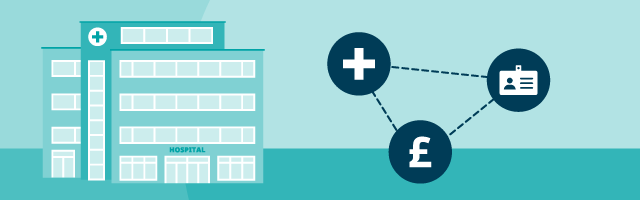
Only looking at someone’s health records cannot tell us if they will return to work or how their income might change. Similarly, only looking at information about the labour market or benefits cannot tell us about someone’s illness. However, securely linking these different types of data can give us a full picture. This extra detail can help to inform prevention, rehabilitation, return-to-work support and policies that can replace people’s income.
This study can now be used to benefit those experiencing the impact of being diagnosed with a serious illness by helping to inform important decisions at a national level. On a local level, it can help to shine a light on changes in employment and the benefits people receive.
To find out more, read Impact of health conditions requiring hospitalisation on earnings, employment and benefits receipt, England: April 2014 to December 2022.
This project was funded by HM Treasury’s Shared Outcomes Fund.