-

Louis, a French national, lived in the UK from 2013 until 2020. As an EU citizen, he had freedom of movement to live and work in the UK without a visa.
Ahead of the UK leaving the EU, he applied for EU settled status, which permitted him to live here indefinitely.
-
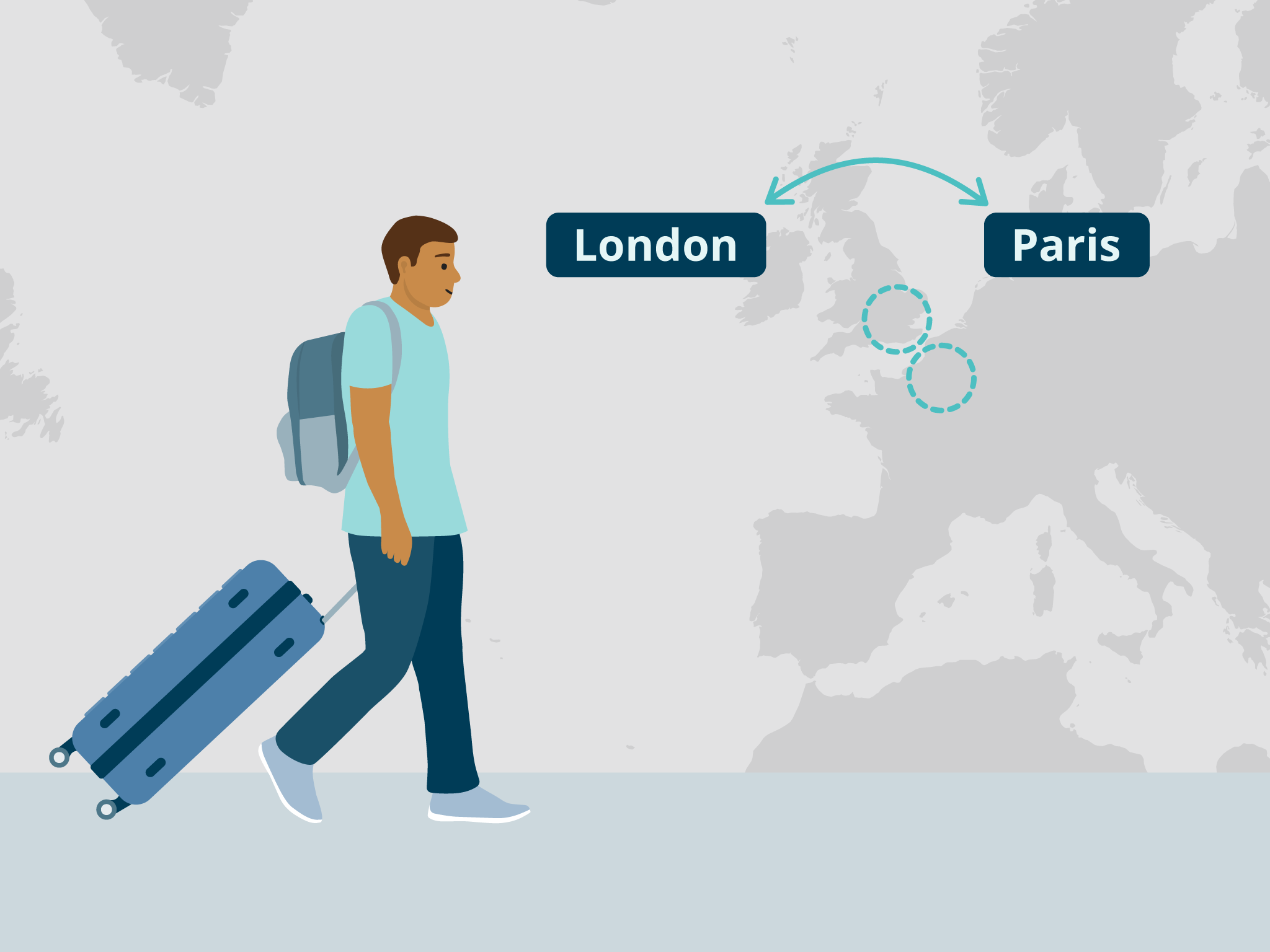
In 2020, Louis moved to Paris for a job at an international company. He would therefore have contributed to emigration figures for the year to December 2020.
In March 2022, he got a promotion in his employer's London office. But he continued living in Paris, commuting to London for half the week.
-

During this period, Home Office travel data would show a person with the right to live in the country was regularly travelling here.
But, we would not count Louis as having immigrated to the UK long-term because, over the course of a year, he was in the country for fewer than 270 days.
-

The next year, Louis decided to move back to the UK full-time.
Although he still travelled back to France multiple times after he moved, the time he spent in the UK overall increased, which would flag him as a potential long-term migrant.
-
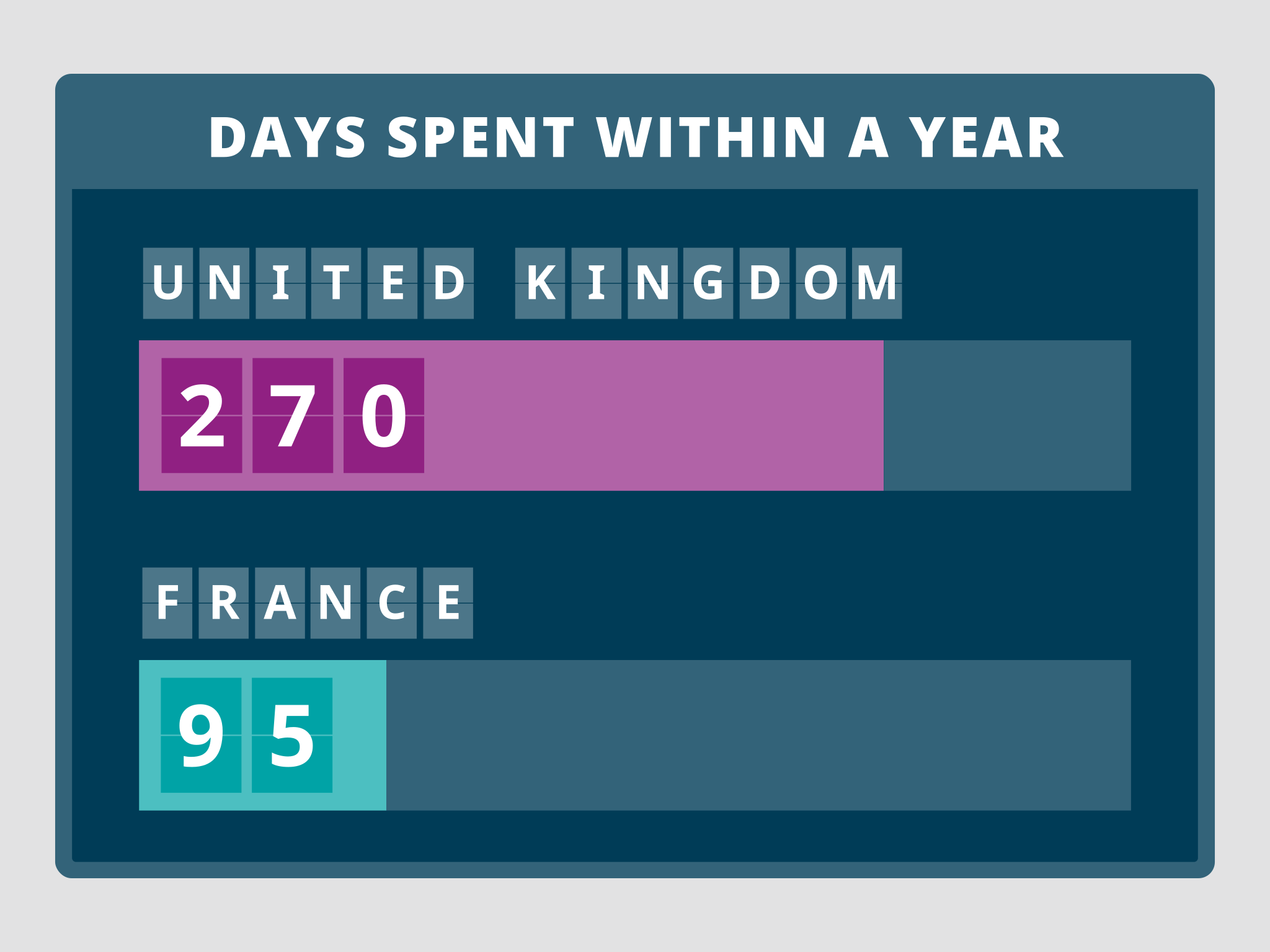
By June 2024, Louis had been resident in the UK for a year.
Once we can see that he has spent 270 days in the UK within a year, we could confirm him as a long-term migrant and he would contribute to our immigration figures for the year to June 2023.